How Surface-Level Impacts Are Improved With Professional Vehicle Care
Even light accidents can leave clear signs on a vehicle. Many drivers think only body repairs can help. In reality, skilled detailing services fix many visible issues. These services focus on the surface and interior condition. They improve how your car looks and feels. Understanding these fixes helps you decide next steps. It also helps you avoid costly work when damage is minor. Detailing often restores value and pride fast. This guide explains what detailing can address after impact.
Early Damage Assessment With Visual Inspection
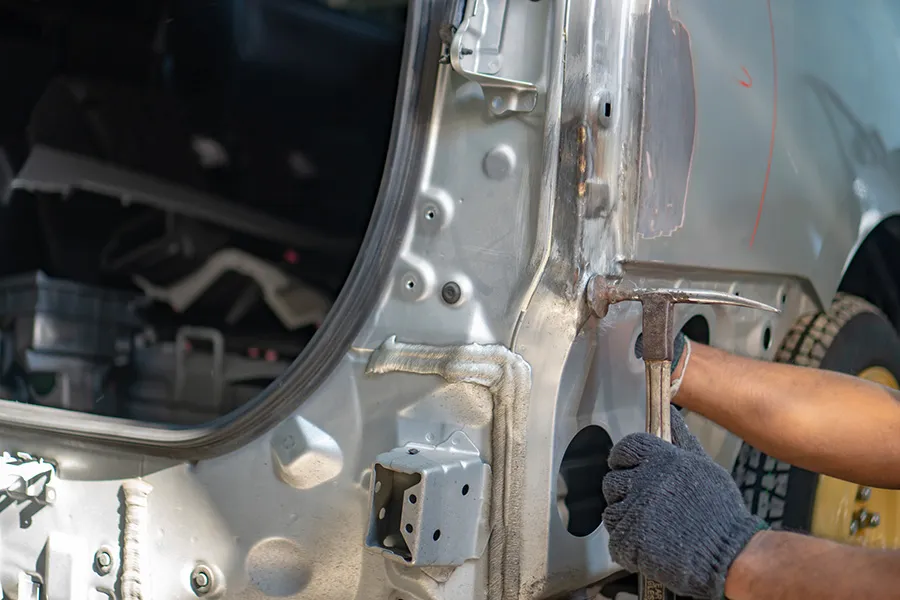
A visual inspection starts the process after an accident. Scratches, scuffs, and stains are common. Paint transfer from another vehicle often shows up. These issues look serious but sit on the surface. Unlike collision repair, detailing focuses on cleaning and correcting finishes. Technicians check clear coat depth and plastic trim. This step matters because it sets realistic goals. You learn what can improve without major work. That saves time and money.
Paint Scratches and Scuffs With Surface Correction
Scratches scare many drivers. Most are shallow and affect only clear coat. Detailing uses polishing to level the surface. This process reduces or removes marks. It differs from collision repair, which fixes deep metal damage. Surface correction works best for parking lot impacts. Common results include restored shine and smoother panels. You also protect paint from future wear.
- Light scratches fade or disappear
- Paint transfer is safely removed
- Gloss and depth return to panels
Dents and Panel Marks With Realistic Expectations
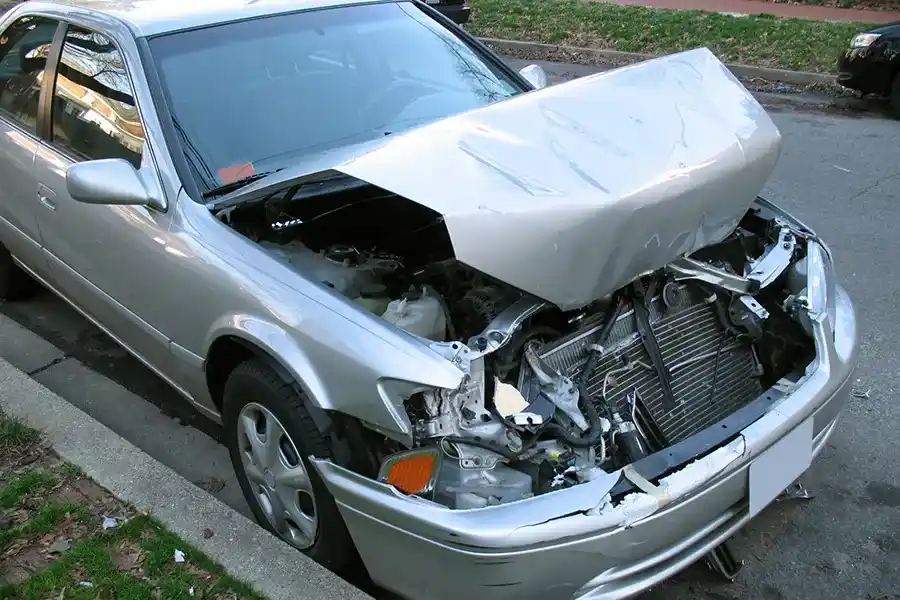
Dents often need more than detailing. Still, detailing improves how they look. Cleaning and polishing reduce visual contrast. This makes dents less noticeable. It works best on small door dings. Avoid expecting full fixes from collision repair alternatives. Detailing plays a support role here. It prepares the surface for future work if needed.
Interior Impact Damage and Cleaning Solutions
Accidents can harm the inside too. Spills, glass dust, and seat marks are common. Detailing deep cleans fabrics and plastics. This restores comfort and safety. Interior work matters because dirt can cause wear. It also affects resale value. A clean cabin helps you drive with less stress.
- Vacuum removes glass and debris
- Steam lifts stains and odors
- Conditioners protect leather and vinyl
Process Steps Used During Post-Accident Detailing
Detailing follows clear steps for best results. Each step builds on the last. Skipping steps reduces results. Professionals follow tested methods.
- Thorough wash to remove grit
- Decontamination with clay treatment
- Polishing to correct surface marks
- Protection using wax or sealant
Benefits and Limitations Compared Side by Side
Detailing offers clear benefits but also limits. Knowing both helps decision-making. The comparison below highlights key points.
- Pros: lower cost, fast results, improved appearance
- Cons: cannot fix structural or deep damage
Best Practices That Protect Your Vehicle After Impact
Good habits reduce long-term issues. Detailing supports these habits. Follow simple practices to protect finishes.
- Address marks quickly before corrosion starts
- Avoid harsh cleaners on damaged paint
- Schedule routine professional care
Cost Factors and Value Considerations With Professional Care
Costs vary based on damage and vehicle size. Detailing usually costs less than body work. You pay for labor and products. Value comes from improved look and protection. Many drivers see higher resale value. Time savings also matter. Quick turnaround keeps you on the road.
Smart Next Steps for Restoring Visual Damage
Located in Arcadia, CA, I help vehicle owners assess visible accident effects with honest advice. Elevate Auto Body focuses on surface correction and interior restoration that improve appearance fast. You can discuss options and pricing by calling (626) 231-2365 for a clear plan that fits your needs.