
Why Marks Appear on Vehicle Paint and What Can Be Done
Scratches on your vehicle can happen at any time. They lower pride of ownership. They can also cut resale value. Some scratches only affect clear coat. Others go deeper into paint or metal. Knowing the cause helps you choose the right fix. It also helps you avoid repeat damage. This guide explains why scratches happen and how repairs work. It also shares costs, standards, and smart care tips.
Benefits of Addressing Scratches Early
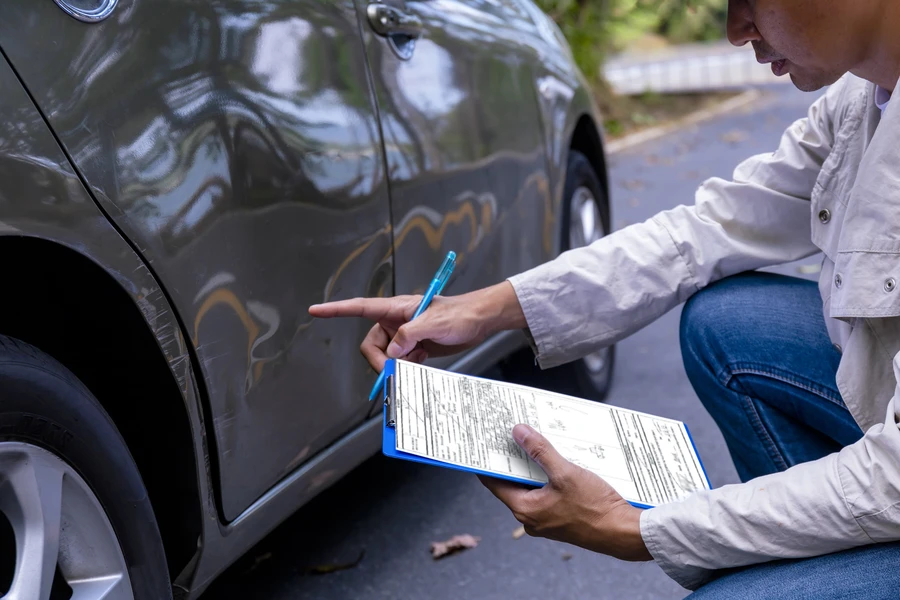
Fixing surface damage early saves money and time. Light marks are easier to correct. Deeper cuts need more work. Early care slows rust risk. It also protects paint layers. Many owners choose car scratch repair to keep factory paint intact. Prompt action keeps the vehicle looking clean. It also helps trade-in value stay strong.
Common Driving and Parking Causes
Daily driving creates many risks. Parking lots are a major source. Tight spaces lead to door dings. Shopping carts scrape panels. Road debris can sweep along the side. Trees and bushes brush paint on narrow roads. A trusted car scratch repair option depends on depth and size. Light scuffs may polish out. Deep cuts need paint work.
Damage From Improper Washing Habits
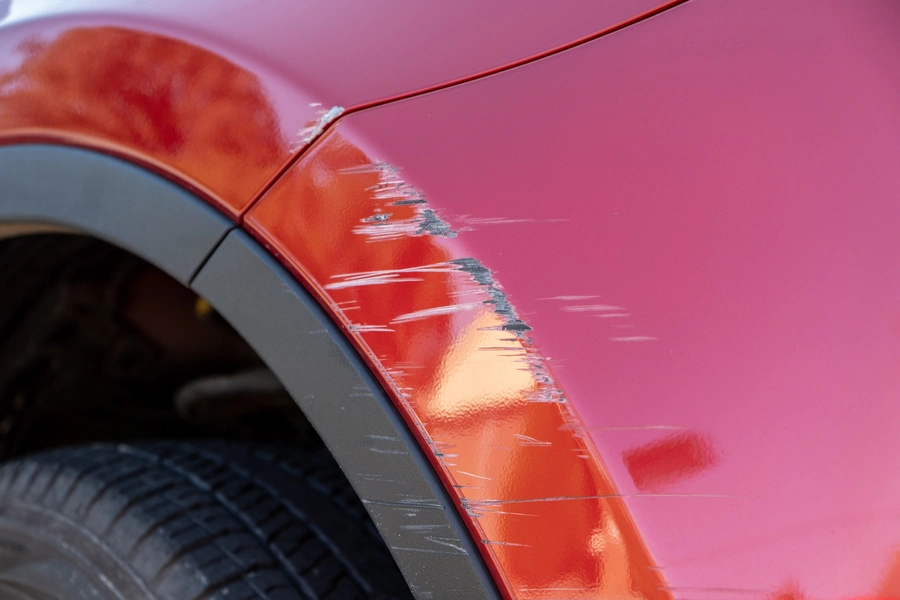
Washing mistakes cause fine scratches over time. Dirty sponges grind grit into paint. Automatic brushes can be rough. Dry wiping traps sand on panels. These marks often look like swirls. They show under sunlight. Correct wash methods reduce this type of damage. Using clean tools matters.
How to Spot Scratch Depth and Severity
Depth decides the solution. Clear coat scratches feel smooth. Paint scratches catch a fingernail. Primer or metal exposure looks dull or shiny silver. Color loss is common on deep cuts. A simple inspection helps guide next steps. It also sets realistic cost expectations.
Pros and Cons of DIY Fixes Versus Professional Work
- DIY pros: lower cost, quick touch-ups, good for light scuffs
- DIY cons: color mismatch risk, uneven finish, limited durability
- Professional pros: color match tools, proper curing, longer life
- Professional cons: higher cost, scheduled time needed
Step by Step Process Used by Professionals
- Clean and dry the area to remove grit
- Sand lightly to level the scratch edges
- Apply matched paint in thin layers
- Seal with clear coat and allow curing
- Polish to blend and restore shine
Best Practices to Prevent Future Damage
- Park away from heavy foot traffic
- Use microfiber towels and clean buckets
- Apply paint sealant or wax regularly
- Trim bushes near driveways
Industry Standards and Quality Expectations
Paint repairs follow OEM color codes. These codes ensure closest match. Proper clear coat thickness matters. Too thin fades fast. Too thick can peel. Many shops follow manufacturer paint specs. Ventilation and curing time are also standard. These steps protect long-term results.
Cost Factors and Value Considerations
Prices depend on size and depth. Clear coat fixes cost less. Full repaint sections cost more. Color type affects price. Pearl and metallic paints cost extra. Quality work saves money later. Cheap fixes may fail and need redo.
Next Steps for Reliable Scratch Solutions
Located in Arcadia, CA, I help vehicle owners protect paint from lasting damage. Elevate Auto Body focuses on clear options for fixing marks and preventing more issues. Call (626) 231-2365 to discuss your vehicle and get guidance that fits your needs and budget.